
Best Free AI Websites

marketing

36 Powerful Side Hustle Prompts for 9-to-5 Workers (Copy & Paste Into Any AI Tool)


36 Powerful Side Hustle Prompts for 9-to-5 Workers

36 Powerful Side Hustle Prompts for 9-to-5 Workers (Copy & Paste Into Any AI Tool)

If you’re working full time and looking for honest, practical ways to earn extra income on the side, these 36 AI prompts are built for you. Each one is designed to help you use AI tools like Claude or ChatGPT to plan, start, and grow a real side hustle — without quitting your job, investing large amounts of money, or falling for unrealistic get-rich-quick promises.

Simply copy any prompt, replace the bracketed placeholders with your own details, and paste it into your preferred AI tool. The more specific you are, the more useful the output will be.


Category 1: Digital Products & Online Income

These prompts help you create and sell low-cost digital products — things like templates, guides, and downloadable resources — that can generate occasional passive income once they’re built. Results take time and are never guaranteed, but the startup costs are low and the skills you build are genuinely useful.

Prompt 1 — Create a Notion template to sell

I’m a 9-to-5 worker with [X hours] per week to spare. Help me build a Notion template for [specific use case, e.g. weekly budget tracker / freelance client tracker / meal planner]. Write a step-by-step plan to create it, suggest a realistic price between $5–$25, and recommend 2–3 places I can list it for sale such as Gumroad or Etsy. Include what I should write in the product description to attract buyers.

Prompt 2 — Start a low-effort digital download shop

I want to open an Etsy or Gumroad shop selling digital downloads around the topic of [your interest or skill, e.g. budgeting, meal planning, fitness tracking]. Help me brainstorm 5 specific product ideas I can create using free tools like Canva or Google Sheets. For each idea, explain what it is, how long it would realistically take to make, and a suggested price. I have no design experience so keep suggestions beginner-friendly.

Prompt 3 — Turn a skill into a paid PDF guide

I know a lot about [topic you’re good at, e.g. saving money on groceries / beginner home workouts / organising a small apartment]. Help me turn this knowledge into a simple 5–10 page PDF guide I can sell for $7–$15. Give me an outline with section headings, 3 key points per section, and a suggested title. Also write a short product description I can use when listing it for sale. I want this to be genuinely helpful, not fluffy.

Prompt 4 — Build a simple resource bundle

I want to create a bundle of 3–5 digital resources on the topic of [topic, e.g. job interview prep / starting a vegetable garden / home decluttering]. Each resource should be something simple like a checklist, template, or short guide that I can make in Canva or Google Docs over a weekend. List each item, describe what it includes, and explain how to package and price the bundle realistically for someone just starting out.

Prompt 5 — Write product listings that actually sell

I’ve created a digital product: [describe your product]. Help me write a compelling product listing for [platform, e.g. Etsy / Gumroad]. Include a title (under 60 characters), a 150-word description that explains what it is, who it’s for, and what they’ll get, plus 5 relevant search tags. Keep the tone friendly and honest — no hype or unrealistic claims.

Prompt 6 — Price a digital product confidently

I made a [describe your digital product] and I’m not sure how to price it. Help me think through pricing by comparing what similar products sell for on [platform], what value it provides to the buyer, and what a fair starting price would be for someone new with no reviews yet. Give me a low, medium, and high pricing option with a reason for each, and suggest which one I should start with and why.

Prompt 7 — Automate delivery so it runs passively

I want to set up a simple system where my digital product [describe it] gets delivered automatically after someone buys it, so I don’t have to do anything manually. Walk me through how to set this up on [Gumroad / Etsy / Payhip] step by step, using free tools. Explain what I need to prepare before going live and what the buyer experience will look like.

Prompt 8 — Repurpose existing knowledge into products

I’ve been working in [your job or industry] for [X years]. List 5 things I already know well from my job that other people would genuinely pay to learn in a simple guide or template format. For each idea, explain who would buy it, what format makes most sense (checklist, template, guide, worksheet), and a realistic price. I want ideas that use knowledge I already have, not things I’d need to research from scratch.

Prompt 9 — Validate before you build

Before I spend time creating a digital product about [your topic idea], help me validate whether people actually want it. Give me 3 free ways to test demand before building anything — for example, searching Etsy or Google Trends, checking Reddit communities, or posting a question in a Facebook group. Walk me through exactly what to look for in each method so I can decide if it’s worth my time to create this product.


Category 2: Creative Skills (Writing, Design, Photography)

These prompts help you turn creative abilities you likely already have — writing clearly, using tools like Canva, or taking photos — into small service-based income. Most of these start with finding one or two clients, not building a full-time business overnight.

Prompt 10 — Find your first freelance writing client

I’m a 9-to-5 worker who writes well and wants to pick up 1–2 paid writing clients on the side. I have [X hours] per week available. Help me identify 3 realistic types of businesses or individuals who regularly need freelance writers, such as small local businesses, bloggers, or newsletter owners. For each, explain what kind of writing they need, how to find them without a paid job board, and what a fair beginner rate would be per article or per hour.

Prompt 11 — Build a simple writing portfolio from scratch

I want to start freelance writing but I have no published clips or portfolio yet. Help me create 3 portfolio writing samples I can write this week on the topic of [your niche or interest]. For each sample, give me a title, a brief outline, and tips on where to publish it for free (e.g. Medium, LinkedIn, a personal blog) so I have real links to share with potential clients.

Prompt 12 — Start designing with Canva for clients

I’m comfortable using Canva and want to offer a simple design service on the side. Help me choose one specific design service I can offer — such as social media post templates, business card design, or PDF lead magnets — that is realistic to do in evenings after work. Explain what tools I need (free versions only), what to include in a basic starter package, how to price it for beginners, and 2 places I can find my first client without spending money on advertising.

Prompt 13 — Sell photography on stock sites

I enjoy photography as a hobby and want to start earning a small side income by uploading photos to stock sites. I have a [smartphone / DSLR / mirrorless camera]. Help me understand which stock sites accept beginner photographers, what types of photos tend to sell well (e.g. lifestyle, food, local scenes, business settings), and what I should avoid uploading. Be realistic about how long it typically takes to start seeing downloads and set honest income expectations.

Prompt 14 — Offer a done-for-you blog post service

I want to offer a simple side service where I write one blog post per week for a small business owner or solopreneur. Help me create a one-paragraph service description, decide on a realistic price for a 600–800 word post as a beginner, and write 3 short outreach messages I could send to local business owners or Facebook group members who might need this. Keep it professional and honest — no promises about viral traffic or guaranteed results.

Prompt 15 — Write and sell greeting card messages

I enjoy writing and want to explore selling original greeting card verses or short copy to small card companies or Etsy sellers. Explain how this works, where to find buyers who purchase original card copy, what a typical submission looks like, and what realistic payment per verse looks like. Give me 3 example card verse topics I could write for this week to start building a small portfolio.

Prompt 16 — Create social media content for local businesses

I want to offer a simple social media content writing service to 1–2 local small businesses as a side hustle. I’d write their Facebook or Instagram captions a few times a week. Help me create a basic starter package — what’s included, how many posts per week, a realistic price for someone starting out with no testimonials yet, and a simple message I can send to a local business owner to offer the service. Be specific and practical.

Prompt 17 — License your photography to local businesses

I take decent photos and want to earn a small amount by licensing them to local businesses for use on their website or social media, rather than uploading to stock sites. Explain step by step how to approach a local business, what to offer, how to price a simple one-time license for a small business (not a major corporation), and what a basic written agreement should include to protect both sides. Keep this realistic for a complete beginner.

Prompt 18 — Ghostwrite for busy professionals

I write well and want to earn side income by ghostwriting short content for busy professionals — things like LinkedIn posts, short blog articles, or weekly newsletters — where they provide the ideas and I write the words. Explain how to find people who need this, what to charge as a beginner for a single LinkedIn post or a 400-word newsletter, how to handle the fact that they’ll publish it under their name, and what to include in a simple agreement.


Category 3: Social Media & Content Creation

These prompts help you build a small but real online presence and explore how content creators earn — through affiliate links, small sponsorships, newsletters, and digital products. Growth takes consistent effort over months, not days. These prompts are designed to help you start the right way with realistic expectations.

Prompt 19 — Start a niche Facebook page that earns

I want to build a Facebook page around [your topic or hobby, e.g. budget meal ideas / DIY home fixes / local parenting tips] and eventually earn a small income from it. Help me create a 4-week content plan with 3 posts per week, explain what types of posts tend to get the most organic reach without paid ads, and describe 2–3 realistic monetisation options once the page grows — such as affiliate links, sponsored posts from small local businesses, or selling a digital product. Be honest about the time it typically takes to see traction.

Prompt 20 — Build a simple newsletter on the side

I want to start a free email newsletter on the topic of [your topic] and grow it slowly in my spare time, with the goal of eventually earning a small income through sponsorships or a paid tier. Help me choose a specific niche angle, suggest a free platform to start on (e.g. Substack or Beehiiv), give me a content plan for the first 4 issues, and explain what realistic subscriber growth looks like in the first 3–6 months for someone starting from zero with no existing audience.

Prompt 21 — Monetise a YouTube channel realistically

I want to start a YouTube channel around [your topic] while working full time. Help me plan a realistic upload schedule I can maintain with [X hours] per week, suggest 5 specific video ideas I can film without expensive equipment, and explain the honest requirements to reach YouTube Partner Program eligibility. Also describe 2 other ways I could earn from the channel before hitting 1,000 subscribers, such as affiliate links or a simple digital product.

Prompt 22 — Become a part-time Pinterest manager

I’ve heard Pinterest management is a viable side hustle for people who are organised and enjoy visual content. Help me understand exactly what a Pinterest manager does for a client, what skills I’d need to get started (and which I could learn for free this week), what a realistic hourly or monthly retainer rate is for a beginner with no clients yet, and how to find my first client through free channels like Facebook groups or LinkedIn.

Prompt 23 — Create content around your 9-to-5 expertise

I work in [your industry/job role] and want to create content on [LinkedIn / a blog / a Facebook page] sharing practical tips from my day job. Help me turn my professional knowledge into a content strategy — give me 10 specific post or article ideas I could create this month, explain the tone and format that works best for [platform], and describe how this kind of content could eventually lead to side income through consulting, speaking, or selling a guide related to my expertise.

Prompt 24 — Grow and manage a Facebook group for income

I want to start and grow a Facebook group around [your topic, e.g. meal planning on a budget / side hustles for parents / beginner gardening] and eventually earn from it. Help me write an engaging group description, create a pinned welcome post, suggest 5 types of posts that build community and get consistent engagement, and explain 2–3 honest ways a group admin can eventually earn from their community without spamming members or making unrealistic promises.

Prompt 25 — Start affiliate marketing with existing content

I already post content on [platform, e.g. Facebook / Instagram / a blog] about [your topic]. Help me understand how to add affiliate links to what I already share, without it feeling salesy or dishonest. Explain how affiliate marketing actually works, how much someone realistically earns when starting out, which free affiliate programmes are beginner-friendly for my niche (e.g. Amazon Associates, ShareASale), and what disclosures I’m legally required to include.

Prompt 26 — Repurpose your content across platforms

I create content about [your topic] on [main platform] but I want to repurpose it to grow on 1–2 other platforms without doubling my workload. Show me a simple system for taking one piece of content — for example a Facebook post — and turning it into content for [second platform, e.g. Pinterest / LinkedIn / a short email]. Give me a step-by-step workflow I could do in under 30 minutes per week and explain which platforms pair well together for someone in the [your niche] space.

Prompt 27 — Pitch and land a paid sponsored post

I have a small but engaged audience on [platform] around [your topic]. I’d like to approach a small brand or local business about a paid sponsored post or partnership. Help me write an outreach email to a [type of brand] that explains who my audience is, what I can offer, and what a fair rate would be for a beginner creator with [approximate follower/page size]. Keep the tone professional and grounded — no inflated claims about reach or results.


Category 4: Teaching & Coaching

If you have a skill, professional background, or subject knowledge that others want to learn, teaching and coaching is one of the most honest and sustainable side hustles available. These prompts help you package what you already know into workshops, courses, sessions, or consulting — without needing formal qualifications in most cases.

Prompt 28 — Teach a skill via a paid workshop

I’m good at [your skill, e.g. basic bookkeeping / beginner watercolour painting / using Excel for budgeting] and want to run a one-off paid online workshop in the evenings. Help me plan a 60–90 minute workshop including a simple agenda, what platform to host it on for free or low cost (e.g. Zoom), how to price it realistically as a first-time host, and where to promote it to find 5–10 paying attendees without spending money on ads. Be specific about what I’d actually need to prepare.

Prompt 29 — Create and sell a mini online course

I want to create a short online course on [your topic] that I can sell for $27–$97. I have [X hours] per week and want to build it over 4–6 weeks. Help me outline a 4–6 module course structure with a clear learning outcome for each module, suggest free or low-cost tools to record and host it, and explain what a realistic number of sales in the first 3 months looks like for someone with a small existing audience. No false promises — just honest expectations.

Prompt 30 — Offer 1-on-1 coaching sessions

I have experience in [your area of expertise, e.g. career development / personal finance / fitness as a hobby] and want to offer paid 1-on-1 coaching calls as a side hustle. Help me define clearly what I’d coach people on, who my ideal client is, what a realistic hourly rate is for someone without formal coaching credentials, how to structure a simple 60-minute session, and 2 free ways to find my first paying client this week.

Prompt 31 — Tutor students in your subject area

I’m strong in [subject, e.g. maths / English / science / a language] and want to tutor students on evenings or weekends. Help me decide whether to find clients independently or through a tutoring platform, compare 2–3 real platforms with honest pros and cons for tutors, set a realistic hourly rate for my experience level, and write a short tutor bio I can use to attract my first students. Include practical advice on how to handle scheduling and payment simply.

Prompt 32 — Run a paid group programme

Instead of 1-on-1 coaching, I want to run a small group programme on [your topic] where I teach 5–10 people at once over 4 weeks. This would let me earn more per hour of my time. Help me design a simple 4-week programme outline, decide on a realistic group size and price, choose a free platform to run it on, and write a short Facebook post I could share to gauge interest from people in my network. Keep expectations realistic for a first attempt.

Prompt 33 — Teach a local in-person class or workshop

I’d like to teach a practical skill in person in my local area — something like [your skill, e.g. basic sewing / sourdough bread baking / beginner photography]. Help me plan a 2-hour beginner class including what I’d cover, what supplies participants would need to bring, how to find a free or low-cost venue (e.g. community halls, libraries), how to price it, and how to promote it locally through free channels like Facebook community groups or a local notice board.

Prompt 34 — Create a free lead-in to attract coaching clients

I want to attract paying coaching or tutoring clients by first offering something free — like a free 20-minute call, a free resource, or a free mini-lesson — to build trust. Help me design a simple free offer related to [your topic] that naturally leads into a paid service. Write the short Facebook or social media post I’d use to promote the free offer, explain how to run the free session in a way that feels helpful rather than salesy, and describe how to transition the conversation towards a paid option.

Prompt 35 — Package knowledge into a group membership

I’m thinking about starting a simple paid membership community around [your topic] where members pay a small monthly fee (e.g. $10–$25) for access to resources, a private group, and a monthly live Q&A. Help me plan what would be included each month, which free or low-cost platform to use to host it (e.g. Facebook Group, Patreon, or a simple Notion page), what a realistic number of founding members looks like and how to find them, and how to keep the workload manageable alongside a full-time job.

Prompt 36 — Consult in your professional field part-time

I’ve been working in [your industry] for [X years] and want to offer occasional consulting to small businesses or individuals who need help with [specific problem you solve at work]. Help me define clearly what problem I’d be helping people solve, who my ideal consulting client is, what a realistic hourly consulting rate is for someone in my field, how to find my first client without a professional website, and what simple steps I should take to avoid any conflict with my current employer.


Important Disclaimer

Please read before you get started.

The prompts in this article are tools to help you think, plan, and take action — they are not a shortcut to guaranteed income. Every side hustle idea shared here is genuinely achievable, but “achievable” is not the same as “easy” or “fast.” Building any kind of side income takes real time, consistent effort, and a willingness to learn from setbacks along the way.

Results will vary significantly from person to person depending on factors including your existing skills, the time you can realistically dedicate each week, the market you’re in, how much you follow through, and a degree of luck in timing. Some people who try these side hustles will earn a meaningful extra income within a few months. Others may take longer, or may need to adjust their approach several times before finding what works for them. Both outcomes are completely normal.

Nothing in this article should be taken as financial, legal, or professional advice. Before starting any earning activity, you are responsible for checking the tax rules in your country or region, reviewing whether your employment contract restricts any outside income or work, and ensuring that any services you offer comply with local laws and regulations.

The AI prompts provided here are starting points. The output you receive from an AI tool will depend on the quality and specificity of your inputs, and should always be reviewed critically before you act on it. AI tools can make mistakes and should not replace your own research and judgement.

This content is shared in good faith for informational and educational purposes only. No income claims are made or implied.

SlopMog

Description
SlopMog is an AI-driven marketing tool that helps brands increase visibility in AI-generated recommendations by strategically posting Reddit comments.

It works by using brand inputs such as product details, target audience, and keywords to craft natural, context-aware comments that include subtle brand mentions.

These comments are designed to influence how AI engines like ChatGPT, Gemini, and Perplexity interpret and recommend brands.

With approval workflows and performance tracking, SlopMog gives brands control and transparency while optimizing their presence in AI-driven search and discovery environments.

Use Cases

AI Search Visibility: Improve brand presence in AI-generated recommendations across platforms like ChatGPT and other AI engines.

Reddit Marketing Automation: Generate and publish relevant Reddit comments that naturally include brand mentions.

Keyword Optimization: Incorporate targeted keywords into discussions to align with AI search patterns.

Brand Awareness Campaigns: Increase exposure by embedding brands into authentic online conversations.

Content Approval Workflow: Review and approve AI-generated or custom comments before publishing.

Performance Tracking: Monitor where comments are placed and measure their impact on visibility.

Audience Targeting: Tailor comment strategies based on specific customer segments and interests.

AI Training Influence: Shape how AI systems learn about and recommend your brand through strategic content placement.

Scalable Marketing: Run campaigns at scale with automated content generation and distribution.

Flexible Campaign Management: Choose plans and strategies that match your brand’s marketing goals.

81 Marketing Prompts to Copy and Paste Into Any AI Tool


81 Marketing Prompts for AI Tools

81 Marketing Prompts to Copy and Paste Into Any AI Tool

Whether you’re writing ads, planning your brand strategy, or launching a digital product, these 81 ready-to-use AI prompts will save you hours of work. Simply replace the bracketed placeholders with your specific details and paste into ChatGPT, Claude, or any AI writing tool.


1. Ad Copy Prompts

Use these prompts to write high-converting ad copy for any platform — Facebook, Google, YouTube, and more.

  1. Write 5 Facebook ad headlines for [product] targeting [audience] who struggle with [pain point]. Each headline should be under 40 characters and create urgency.

  2. Create 3 variations of Google ad copy for [product/service]. Include a strong CTA, highlight one key benefit, and address the main objection [objection].

  3. Write a native ad script for [product] that blends into editorial content. Start with a relatable story, introduce the product naturally, and end with a soft CTA.

  4. Generate 10 ad hooks for [product] using these emotional triggers: fear of missing out, social proof, curiosity, and desire for transformation.

  5. Write a retargeting ad for people who visited [landing page] but didn’t buy. Acknowledge their hesitation, restate the key benefit, and offer a reason to return.

  6. Create YouTube pre-roll ad copy for [product] that delivers a compelling message in the first 5 seconds before the skip button appears. Keep the full ad under 30 seconds.

  7. Write a carousel ad sequence (5 cards) for [product]. Card 1: problem. Card 2–4: one benefit each. Card 5: CTA with offer.

  8. Write a video sales letter script under 90 seconds for [product]. Hook, problem, solution, proof, offer, CTA.

  9. Generate 3 split-test ad body copy variations for [product], each testing a different angle: (1) transformation, (2) fear of inaction, (3) social proof.


2. Brand Strategy Prompts

Build a clear, consistent, and compelling brand with these strategy prompts.

  1. Define a brand voice for [company] that sells [product/service] to [audience]. Output a voice guide with 4 personality traits, do/don’t examples for each, and a sample tagline.

  2. Write a brand positioning statement for [company] using this format: For [target audience] who [need/want], [brand] is the [category] that [key benefit] because [reason to believe].

  3. Identify 3 competitors of [brand], then write a differentiation strategy that clearly separates [brand] from each using unique positioning.

  4. Create a brand story for [company] using the hero’s journey: who they were before, the turning point, what changed, and the mission they’re now on.

  5. Write brand messaging pillars for [company]. Generate 4 pillars, each with a one-line statement, 2-sentence explanation, and 3 talking points.

  6. Develop a brand promise for [company] that is specific, credible, and memorable. Then write 3 ways this promise would show up in customer experience.

  7. Write an ideal customer profile for [brand]. Include demographics, psychographics, biggest fears, core desires, where they spend time online, and what they say when recommending products like ours.

  8. Create a brand messaging matrix for [company] with tailored messages for: cold audience, warm audience, and existing customers.

  9. Audit the messaging of [brand] based on this copy: [paste copy]. Identify gaps, inconsistencies, and write 3 improvement recommendations.


3. Content Repurposing Prompts

Get more mileage out of every piece of content you create by repurposing it across multiple formats and platforms.

  1. Turn this blog post into 10 tweets: [paste post]. Each tweet should stand alone, provide value, and end with a hook to the full article.

  2. Convert this YouTube transcript into a LinkedIn article: [paste transcript]. Keep the core insights, restructure for written format, and add a strong intro hook.

  3. Take this email newsletter and repurpose it into: (1) a short-form video script, (2) an Instagram carousel outline (5 slides), (3) a 280-character tweet. Source: [paste email]

  4. Repurpose this podcast episode summary into 3 different content formats for different platforms: a Twitter thread, a LinkedIn post, and a short blog intro. Summary: [paste]

  5. Extract 5 standalone social media quotes from this long-form piece. Each quote should be insightful, punchy, and require zero context to understand. Source: [paste]

  6. Turn these 3 customer testimonials into a short case study story, a social proof carousel, and a bullet-point FAQ section. Testimonials: [paste]

  7. Repurpose this sales page into an email nurture sequence of 3 emails: awareness, consideration, decision. Sales page: [paste]

  8. Convert this how-to guide into a Reels or TikTok script (under 60 seconds), a carousel post (6 slides), and a Twitter thread. Guide: [paste]

  9. Take this webinar Q&A section and turn it into a FAQ blog post, a 5-tweet educational thread, and a short explainer for a landing page. Q&A: [paste]


4. Email Sequence Prompts

Write complete email sequences for every stage of the customer journey — from welcome to win-back.

  1. Write a 5-email welcome sequence for new subscribers of [brand]. Email 1: warm welcome + what to expect. Email 2: brand story. Email 3: top resource. Email 4: social proof. Email 5: soft offer.

  2. Create a 3-email abandoned cart sequence for [product]. Email 1 (1hr after): reminder. Email 2 (24hrs): address top objection. Email 3 (48hrs): urgency + bonus.

  3. Write a post-purchase email sequence for [product] (4 emails): thank you + what’s next, how to get results, usage tips, and a referral/review ask.

  4. Create a 7-day onboarding email sequence for [SaaS/course/product]. Each email should drive one specific action and build on the previous.

  5. Write a re-engagement sequence for cold subscribers who haven’t opened in 90 days. 3 emails: curiosity hook, value bomb, final goodbye with opt-out.

  6. Build a flash sale email sequence for [product] over 3 days. Day 1: open cart. Day 2: urgency + objection handling. Day 3: 2 closing emails (morning + last call).

  7. Write a lead nurture sequence (5 emails) for [audience] interested in [topic]. Move them from problem-aware to solution-aware to your offer.

  8. Create an upsell email sequence triggered after purchase of [low-ticket product] to promote [high-ticket offer]. 3 emails over 5 days.

  9. Write a webinar follow-up email sequence: 4 emails post-webinar to nurture non-buyers into buying [product]. Include replay link, recap, testimonials, and final CTA.


5. Lead Magnet Creation Prompts

Create irresistible lead magnets that grow your list with the right audience.

  1. Create a lead magnet concept for [audience] struggling with [problem]. Give me 5 title options, the format (checklist/guide/template/etc.), and an outline of the content.

  2. Write a complete one-page checklist lead magnet titled ‘[Title]’ for [audience]. Include 15–20 actionable items grouped into 3–4 sections.

  3. Build a 3-day email mini-course on [topic] for [audience]. Write the subject lines and core teaching points for each day.

  4. Create a swipe file lead magnet for [niche] with 10 fill-in-the-blank templates they can use immediately. Topic: [topic].

  5. Write the copy for a lead magnet landing page for [title]. Include headline, subheadline, 5 bullet points of what they’ll get, and a CTA button.

  6. Design a quiz lead magnet for [audience]. Write 7 questions, 3 answer options each, and 3 result profiles with a personalized recommendation for each.

  7. Create a resource list lead magnet for [niche]. Curate 15 tools, templates, or resources with a one-line description of each and why it’s useful.

  8. Write the content for a quick-win guide (3–5 pages) that helps [audience] achieve [specific result] in [timeframe]. Include intro, 5 steps, and a conclusion CTA.

  9. Build an ROI calculator or self-assessment lead magnet concept for [audience]. Outline the inputs, scoring logic, and the insight/result they receive.


6. Facebook Content Creation Prompts

Grow your Facebook presence with posts that start conversations, build community, and drive traffic.

  1. Write a Facebook post for [brand] that starts with a scroll-stopping first line about [topic], shares a valuable tip, and ends with a question to drive comments.

  2. Create a week of Facebook content (7 posts) for [brand] in [niche]. Mix: 2 educational, 2 entertaining, 1 promotional, 1 testimonial, 1 behind-the-scenes.

  3. Write a long-form Facebook post (300–500 words) in the style of a personal story that leads to the insight: [key message]. Use conversational tone and short paragraphs.

  4. Create a Facebook poll + caption for [brand]. Topic: [topic]. Write the question, 4 answer options, and a 50-word caption to introduce it.

  5. Write a Facebook Live outline for [topic] that lasts 20 minutes. Include a hook intro, 3 teaching points, audience engagement questions, and a CTA.

  6. Generate 5 Facebook post hooks (first lines only) for [brand] that stop the scroll. Use curiosity, controversy, bold statements, surprising stats, or personal confessions.

  7. Write a Facebook group welcome post for a community about [topic]. Make it warm, set expectations, explain the rules, and prompt members to introduce themselves.

  8. Create a Facebook event post for [event/webinar/launch]. Include what it is, why they should care, what they’ll learn/get, and how to register.

  9. Write a Facebook ad disguised as organic content for [product]. It should look like a personal recommendation, use social proof, and have a native feel with a soft CTA.


7. Sales & Offer Copy Prompts

Write sales copy that converts — from full-length sales pages to one-line checkout bumps.

  1. Write a sales page for [product] targeting [audience]. Include: attention-grabbing headline, empathy-driven intro, benefit bullets, social proof section, offer breakdown, guarantee, and CTA.

  2. Create a VSL (video sales letter) script for [product]. Under 10 minutes. Follow: hook, problem, agitate, solution, proof, offer, bonuses, guarantee, CTA.

  3. Write the offer stack copy for [product]. List the core deliverable, 3 bonuses, total value, your price, and a reason why it’s priced lower. Make it feel like an obvious yes.

  4. Write 5 objection-busting copy blocks for [product] that address: price, time, skepticism, ‘not for me’, and ‘I’ll do it later’.

  5. Create a checkout page bump copy for a $[price] add-on to [main product]. Write the headline, 3-bullet value summary, and one-click CTA in under 100 words.

  6. Write an order confirmation page upsell for [higher-ticket offer]. They just bought [product]. Show them the next logical step using the momentum of their purchase.

  7. Create a one-time offer (OTO) script for [product] shown after opt-in. You have 5 minutes of their attention. Include scarcity, value, and a clear yes/no decision.

  8. Write the copy for a pricing page with 3 tiers for [product/service]. Include tier names, what’s included at each level, who it’s for, and recommended plan badge.

  9. Generate a proposal or pitch email for [service] tailored to a [business type] client. Include the problem you solve, your approach, what’s included, investment, and next step.


8. Case Study Prompts

Turn customer wins into persuasive proof that closes sales for you.

  1. Write a customer case study for [client/customer] using this structure: situation, complication, solution, results. Use real or placeholder metrics and quotes. Topic: [topic].

  2. Turn this customer testimonial into a full 500-word case study with context, challenges faced, how [product/service] helped, and measurable results. Testimonial: [paste]

  3. Create a case study landing page for [client story]. Include headline with result, 3-section story (before/during/after), a pull quote, stats bar, and CTA.

  4. Write a mini case study (150 words) formatted for a sales email insert. Focus on one specific result, one quote, and one CTA.

  5. Generate 3 hypothetical case study scenarios for [product] showing different use cases for: [persona 1], [persona 2], [persona 3]. Include a before/after format.

  6. Write a case study for a B2B client that focuses on ROI. Include: client background, challenge, solution implemented, timeline, and 3 specific results with numbers.

  7. Create a social proof story post (case study in story format) for Instagram or LinkedIn about a customer who achieved [result] using [product/service].

  8. Write the questions you would ask a customer to extract a compelling case study. Generate 15 interview questions that uncover the emotional journey and hard metrics.

  9. Turn this data/result summary into a compelling case study narrative that tells a human story while backing it up with numbers. Data: [paste results or metrics]


9. Digital Product Promotion Prompts

Launch, sell, and scale your digital products with copy that builds excitement and drives conversions.

  1. Write a launch announcement email for [digital product] to my existing list. Include: what it is, who it’s for, what problem it solves, launch price, and link.

  2. Create a 5-post Instagram launch sequence for [digital product]. Post 1: teaser. Post 2: problem. Post 3: solution reveal. Post 4: testimonial/proof. Post 5: open cart CTA.

  3. Write an affiliate email swipe copy for [digital product] that partners can send to their lists. Include subject line, 3 body variations (short/medium/long), and CTA.

  4. Generate a product description for [digital product] for a marketplace listing (Gumroad, Etsy, AppSumo, etc.). Include hook, what’s inside, who it’s for, and FAQ.

  5. Write a bundle promotion campaign for [product 1] + [product 2] + [product 3]. Include: the bundle name, combined value, bundle price, and a 3-email sequence.

  6. Create a waitlist page for an upcoming digital product in [niche]. Include: headline, what it is (without full reveal), 3 reasons to join early, and email capture form copy.

  7. Write a ‘behind the scenes’ content piece that builds anticipation for [digital product launch]. Suitable for email or long-form social post.

  8. Generate a referral/affiliate program recruitment message for [digital product]. Convince existing customers to become affiliates. Include commission, tools provided, and sign-up CTA.

  9. Write a post-launch recap email that re-opens the cart for [digital product] for 48 hours. Include what happened during launch, testimonials, and a final urgency CTA.


Replace every [bracketed placeholder] with your specific product, audience, or details before using. The more specific your inputs, the better the AI output.


Formshare

Formshare is an AI-powered tool that simplifies and accelerates the process of generating conversational forms. Designed to be user-friendly, Formshare empowers users to construct robust, interactive forms without needing any coding skills.

By simply describing the desired form, the AI takes over, managing the entire creation process and ensuring a seamless experience. The resulting forms are conversational, promoting an engaging and user-friendly experience for respondents.

Use Cases:

Quick Form Creation: Generate interactive forms quickly by describing your needs, allowing the AI to handle the technical details.

Non-Technical Users: Enable users without coding skills to create complex, conversational forms effortlessly.

Engaging Surveys: Create conversational forms that increase respondent engagement through an interactive format.

Streamlined Data Collection: Simplify the process of collecting information by using AI-generated forms tailored to your requirements.

Custom Form Design: Customize the appearance and functionality of forms to match specific needs without manual coding.

Live Portrait

Live Portrait is an AI-powered tool designed to breathe life into static portraits by adding realistic facial expressions and lip synchronization, driven by video input.

By analyzing the movements and expressions in a provided video, Live Portrait seamlessly transfers these dynamics onto a still image, effectively animating the portrait.

This technology enables users to create engaging and dynamic animations from static images without the need for advanced animation skills or software.

Use Cases:

Historical Figures Animation: Animate portraits of historical figures for educational content, museums, or documentaries.

Social Media Content Creation: Generate captivating animated portraits for posts, stories, or promotional content on social media platforms.

Marketing & Advertising: Create dynamic advertisements featuring animated characters or spokespeople to attract and engage audiences.

Entertainment & Media Production: Enhance films, TV shows, or web series by animating static images or illustrations.

Personalized Messaging: Craft personalized animated messages or greetings using photos of friends, family, or oneself.

Virtual Assistants & Avatars: Develop lifelike avatars for virtual assistants, customer service bots, or gaming characters.

Arcads

Arcads is an innovative AI-powered tool designed to transform text into high-quality, emotionally resonant video ads. Using advanced AI algorithms, Arcads generates authentic and realistic videos based on the input text provided by users.

Use Cases:

Video Ad Creation: Arcads streamlines the process of creating video ads by automatically generating compelling visuals based on the text input, saving time and resources.

Emotional Appeal: The tool helps users create video ads with emotional resonance, making them more engaging and impactful for viewers.

Personalization: Arcads allows for the personalization of video ads, enabling users to tailor the content to their target audience and brand identity.

Efficiency: By automating the video ad creation process, Arcads improves efficiency and productivity, allowing users to focus on other aspects of their marketing strategy.

Professional Quality: Arcads produces high-quality videos that rival professionally produced ads, helping users elevate their marketing campaigns.

Cost-Effective: Arcads offers a cost-effective solution for creating video ads, eliminating the need for expensive production equipment and resources.

arcads-ai-free-tool

Humanize AI

Humanize AI transforms AI-generated text into human-like content. This AI-to-human text converter, also known as the AI Humanizer, is designed to refine and rephrase text created by different AI writers, eliminating robotic undertones.

The output is undetectable by AI detection systems and retains the original meaning, context, and SEO value of the text.

Humanize AI uses proprietary algorithms to convert text from AI sources such as ChatGPT, Google Bard, Microsoft Bing, QuillBot, Grammarly, Jasper.ai, and Copy.ai into natural, human-like wording.

Use Cases:

Content Creators: Enhance AI-generated articles, blogs, and social media posts to ensure they resonate with human readers.

SEO Specialists: Maintain and enhance the SEO value of AI-generated content while making it more engaging and natural.

Marketing Teams: Refine AI-generated marketing copy to ensure it aligns with brand voice and appeals to target audiences.

Writers and Editors: Polish AI-generated drafts to produce high-quality, human-like content for publications.

Businesses: Convert AI-generated customer service responses, emails, and communications into more relatable and personable messages.


Askpot

Description

Askpot is an AI tool designed to streamline and enhance competitive analysis. By analyzing the content of a landing page, Askpot extracts valuable information such as the unique value proposition, audience, positioning, call-to-action, features, pricing, trust factors, and social proof.

Use Cases:

Competitive Analysis: Askpot enables users to quickly and efficiently analyze the strengths and weaknesses of competitors’ landing pages, helping them identify opportunities for improvement in their own marketing strategies.

Content Extraction: The tool extracts key information from landing pages, saving users time by automating the manual process of collecting and analyzing data.

Data Comparison: Users can export the extracted data to a CSV format, allowing them to easily compare and analyze information from multiple competitors in one convenient spreadsheet.

Marketing Strategy Development: Askpot’s insights can inform the development of more effective marketing strategies by providing a comprehensive view of competitors’ positioning, messaging, and audience targeting.

Performance Benchmarking: Users can use Askpot to benchmark their own landing pages against competitors, identifying areas where they can improve and optimize their content and design.

Videeo

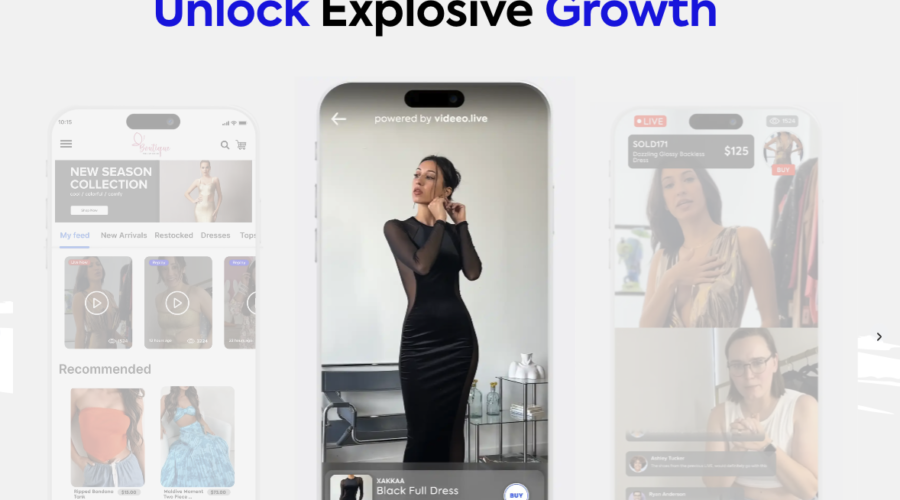
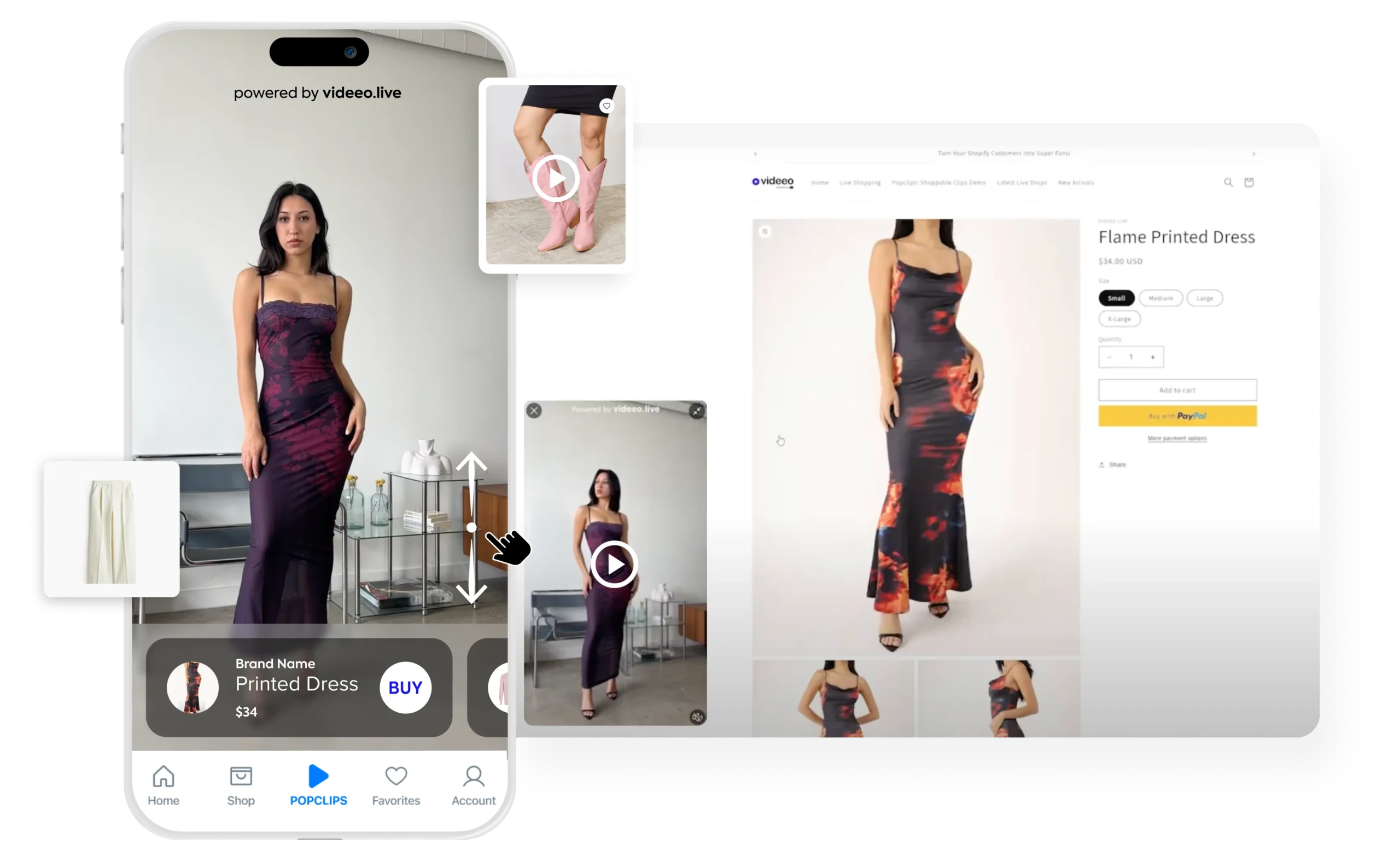
Boost Your Shopify Store with Shoppable Videos and a TikTok like Feed

Supercharge your static product pages with automatically placed videos engaging new generation of shoppers through their social love language! Spur impulse purchases with a swipe-up shoppable video feed, increasing sales by 400%.

Ever wondered how to elevate your retail strategy in the video-first era? Enter Popclips – simple, powerful, shoppable videos that let you highlight and tag up to five products per video clip with direct in-video shopping.

These clips can be seamlessly integrated across various platforms, including websites, mobile apps, emails and diverse marketing channels, to make your brand video-first everywhere!

AI Suggests

Description

AI Suggests is an AI-powered tool that helps businesses generate unique and original content and ideas quickly and efficiently without running out of inspiration.

Use Cases:

Content Generation: AI Suggests offers over 20 templates and utilizes the GPT-3 model to suggest new ideas for various types of content marketing, such as Instagram captions, video titles, blog titles, product descriptions, and more.

Efficient Ideation: The tool helps businesses quickly generate ideas for their marketing campaigns and ad copies, saving time and effort.

Support and Document Storage: AI Suggests provides support and allows users to save important documents, ensuring that ideas and content are easily accessible.

Marketing Campaign Improvement: Users can use AI Suggests to effortlessly create or improve their marketing campaigns and ad copies, enhancing their effectiveness and impact.

Inspiration: AI Suggests helps businesses stay inspired and creative by providing a constant stream of new ideas and suggestions.

Scroll to top